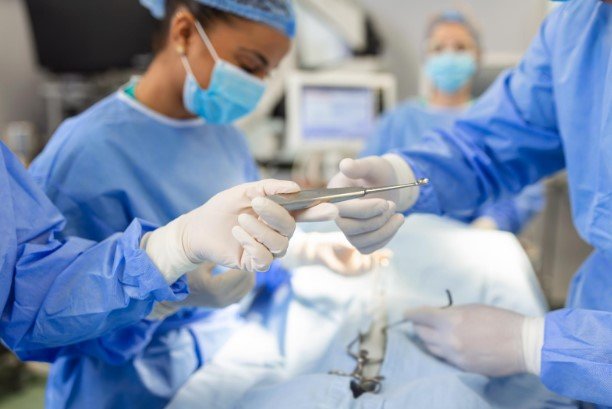
Laparoscopic surgery, a minimally invasive procedure, has become increasingly common in the medical field. This approach, which involves making small incisions and using specialized tools, offers numerous benefits, including reduced pain, faster recovery, and shorter hospital stays.
However, the recovery process from laparoscopic surgery can still be a significant concern for many patients. In this comprehensive guest post, we’ll explore what you can expect during the recovery period and provide practical strategies to help you manage the process effectively.
Understanding Laparoscopy aka Laparoscopic Surgery
Laparoscopy is a surgical technique that allows doctors to access the inside of the body through small incisions, typically in the abdomen or pelvis. By using a tiny camera (laparoscope) and specialized instruments, surgeons can perform a variety of procedures, such as appendectomies, gallbladder removals, and hysterectomies, with minimal invasiveness.
The benefits of laparoscopy aka laparoscopic surgery compared to traditional open surgery include smaller incisions, leading to less scarring and reduced post-operative pain; shorter hospital stays and faster recovery times; reduced risk of complications, such as infection and bleeding; and a quicker return to normal activities and work.
Expectations During the Recovery Process
The recovery process after laparoscopic surgery can vary depending on the specific procedure, your overall health, and individual factors. However, there are some general expectations you can anticipate. You may experience pain and discomfort in the days following the procedure, for which your doctor will likely prescribe pain medication.
The small incisions made during the surgery will need to be carefully cared for to prevent infection and promote healing. Your healthcare team will provide you with instructions on how to clean and care for the incisions. You may be encouraged to move around and engage in light activity shortly after the surgery, but more strenuous activities may be off-limits for a period of time.
Your doctor will provide specific guidelines on when you can return to your normal routine. Depending on the type of surgery, you may have temporary dietary restrictions or recommendations, such as a liquid or soft diet, to allow your body to heal. The recovery process can also be mentally and emotionally challenging, as you adapt to the changes in your body and routine. It’s important to be patient with yourself and seek support if needed.
Strategies for Effective Recovery
To help ensure a smooth and successful recovery from laparoscopic surgery, it’s important to follow your doctor’s instructions closely. This includes taking any prescribed medications, attending follow-up appointments, and gradually increasing your activity level as recommended.
Maintaining good incision care, keeping the incision sites clean and dry, and avoiding touching or picking at them is crucial to prevent infection. Managing pain and discomfort through the use of pain medication, ice packs, or heating pads, as well as engaging in light stretching or gentle exercise, can also help. Focusing on nutrition by eating a balanced, nutrient-rich diet to support your body’s healing process is essential.
Prioritizing rest and sleep, as your body needs time and energy to heal, is also important. Finally, don’t hesitate to seek support from your healthcare team, family, and friends, as sharing your experience and concerns can help you cope with the physical and mental challenges during the recovery process.
Conclusion
By understanding the recovery process and implementing effective strategies, you can navigate the post-operative period with confidence and ensure a successful outcome from your laparoscopic surgery.