Introduction
In today’s fast-paced, technology-driven world, the Internet of Things (IoT) is transforming industries in ways that were unimaginable a decade ago. IoT is enabling businesses to gain unprecedented insights into their operations. One of the most significant impacts of IoT is on data analytics, as it allows industries to collect huge amounts of real-time data, which can then be analysed to drive efficiency, enhance decision-making, and innovate products and services. This blog will explore how IoT is driving advanced data analytics in various industries and the opportunities this presents for data professionals.
What is IoT and How Does It Work?
Before diving into the impact of IoT on data analytics, let us briefly explain what IoT is and how it works. IoT is an integrated network of physical hardware, appliances, and other entities that are equipped with sensors, software, and other entities through which they connect and also exchange data. These connected devices generate enormous amounts of data that can be used to identify patterns and derive insights.
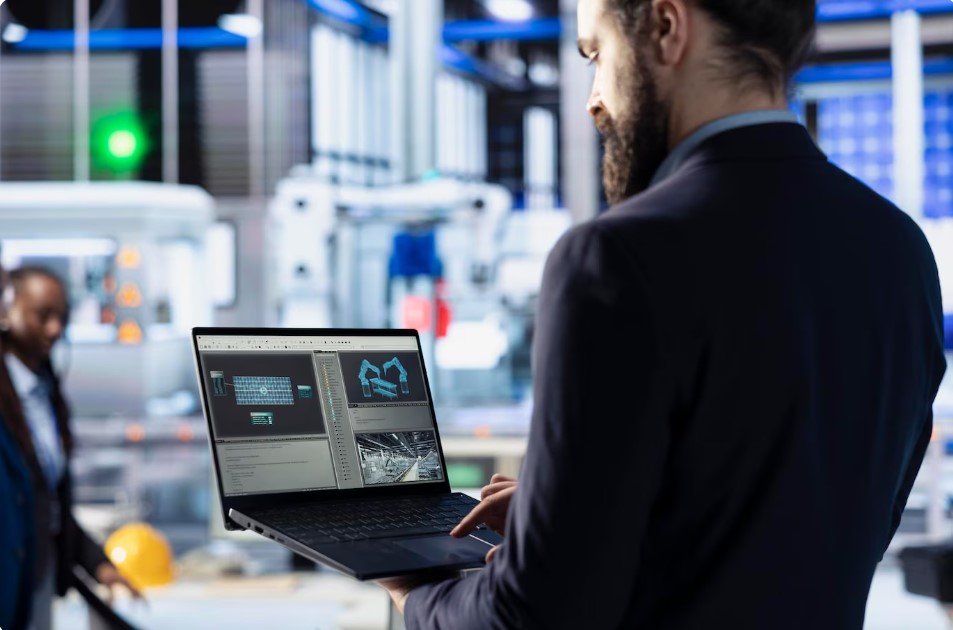
For example, in a smart factory, sensors on machines can monitor performance and predict when maintenance is needed, reducing downtime. Similarly, in healthcare, wearable devices can monitor patients’ vital signs and send data to healthcare providers for real-time analysis, leading to better patient outcomes. This constant flow of data, combined with advanced analytics, is transforming industries worldwide.
The Role of IoT in Data Analytics
IoT is revolutionising the field of data analytics by enabling businesses to gather data from multiple sources in real-time. This continuous stream of data offers numerous advantages, from improving operational efficiency to predicting customer behaviour. IoT is driving advanced data analytics in various industries. Professionals who already have some background in data analytics must preferably enrol in a domain-specific Data Analyst Course. Following are some of the ways in which IoT is benefiting industries.
Improving Operational Efficiency
One of the primary benefits of IoT-driven data analytics is the ability to optimise operations. In industries like manufacturing and logistics, IoT sensors on equipment can collect data on machine performance, inventory levels, and supply chain status. This data can be analysed to isolate gaps, reduce waste, and improve productivity.
For instance, predictive maintenance, powered by IoT sensors, can analyse the condition of machines in real time and predict when they are likely to fail. Companies thus need to perform maintenance and shutdown for this purpose only when necessary, rather than following a set schedule. This approach saves money by preventing unnecessary repairs and minimises downtime by addressing issues before they become critical.
Enhancing Customer Experience
IoT is also improving customer satisfaction levels. Through the data collected from connected devices, companies gain a better understanding of customer preferences, behaviours, and needs. This allows for more personalised services and products, which can significantly enhance the customer experience.
In retail, for example, IoT sensors embedded in stores or products can track customers’ movements and behaviours. This data can be analysed to identify shopping patterns, allowing businesses to optimise store layouts, improve inventory management, and offer tailored promotions based on individual preferences.
Enabling Real-Time Analytics
Real-time data analytics is one of the most powerful capabilities enabled by IoT. By collecting data in real-time from connected devices, businesses can monitor performance, detect anomalies, and make immediate adjustments. This is particularly critical when prompt decisions are critical, such as in healthcare, logistics, and finance.
In healthcare, for example, IoT-enabled wearables can continuously monitor patients’ vital signs and send this data to healthcare providers. With real-time analysis, healthcare professionals can make immediate decisions regarding treatment, potentially saving lives in emergencies.
Driving Predictive Analytics
IoT is a catalyst for predictive analytics, enabling businesses to forecast trends by leveraging historical data and insights. By integrating IoT insights with machine learning algorithms, companies can predict outcomes such as equipment failures, customer behaviour, or demand fluctuations.
Industries Benefiting from IoT-Driven Data Analytics
IoT is making a significant impact across various sectors, with businesses leveraging advanced data analytics to remain competitive. Let us take a look at some of the industries benefiting from IoT-driven data analytics. If you are located in an industrialised location, opt for a domain-specific course such as a Data Analytics Course in Hyderabad that has specific coverage on how IoT impacts the domain relevant to you.
Manufacturing
The manufacturing industry is perhaps the most well-known example of the impact of IoT. IoT-enabled sensors are used to monitor machinery, track production lines, and measure product quality in real-time. Manufacturers can use this to optimise their processes, reduce waste, and improve product quality.
Moreover, IoT-driven data analytics can provide valuable insights into supply chain performance, enabling manufacturers to make data-based decisions about inventory management, procurement, and logistics. With real-time data, manufacturers can adapt quickly to changing market conditions and customer demands.
Healthcare
In the healthcare industry, IoT is revolutionising patient care by enabling real-time monitoring of patients’ health. Wearable devices, connected medical equipment, and remote monitoring systems are all part of the IoT ecosystem. The data generated by these devices is analysed to monitor patient conditions, identify potential risks, and provide better treatment options.
For example, IoT-enabled heart monitors can continuously track a patient’s heart rate and send data to healthcare providers. If the data indicates a potential issue, the healthcare provider can intervene before the patient’s condition worsens.
Agriculture
IoT is transforming agriculture for the better by enabling farmers to manage crops and livestock efficiently. IoT sensors can track soil moisture levels, temperature, humidity, and other environmental factors, providing farmers with valuable insights into the health of their crops. This data can be analysed to optimise irrigation, reduce pesticide use, and improve crop yield.
Additionally, IoT technology can be applied to monitor livestock health and track their movements, helping farmers manage their herds more effectively.
Smart Cities
IoT is also playing a crucial role in the development of smart cities. By connecting infrastructure, traffic systems, and public services, IoT enables city administrations to collect vast amounts of data, which can be analysed to enhance the quality of urban living. For example, IoT sensors in traffic lights can monitor traffic signalling in real time to reduce traffic snarls. Similarly, IoT-enabled waste management systems can optimise trash collection routes, improve efficiency, and reduce costs.
Opportunities for Data Professionals
As IoT continues to evolve, the demand for professionals capable of analysing and interpreting the massive amounts of data generated by IoT is increasing. Aspiring data professionals can equip themselves with the necessary skills by enrolling in a Data Analyst Course. These courses provide a strong foundation in data analysis, machine learning, and IoT technologies, enabling professionals to acquire the technical capability and expertise necessary to excel in this rapidly growing field.
A Data Analyst Course typically covers topics such as data visualisation, statistical anal sis, and predictive analytics, all of which are crucial for working with IoT-generated data. Meanwhile, a career-based data course offers more specialised knowledge of how data analytics is applied in industries, giving professionals the tools to analyse IoT data effectively and make data-driven decisions.
Conclusion
The integration of IoT in industries is driving advanced data analytics in once unimaginable ways. By improving real-time data collection, operational efficiency, and customer experiences, IoT is revolutionising industries from manufacturing to healthcare and beyond. As the demand for IoT-driven data analytics grows, professionals with skills in this area will be in high demand. Enrolling in a Data Analytics Course in Hyderabad and such reputed learning hubs will provide aspiring data professionals with the expertise needed to succeed in this exciting and evolving field. The future of IoT and data analytics seems promising, and the opportunities for innovation are endless.
ExcelR – Data Science, Data Analytics and Business Analyst Course Training in Hyderabad
Address: Cyber Towers, PHASE-2, 5th Floor, Quadrant-2, HITEC City, Hyderabad, Telangana 500081
Phone: 096321 56744