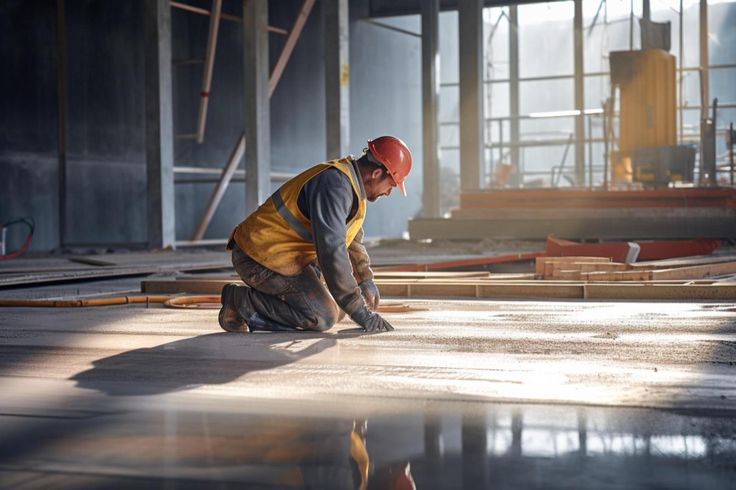
A flooring project usually begins long before the final coating is applied. The condition of the existing slab can influence how the finished surface looks and performs over time. Concrete repairs are often an important part of preparing an older or damaged floor for its next finish. Cracks, holes, weak sections, and surface damage should be assessed before additional materials are installed. Taking care of these issues early can create a cleaner foundation and make the overall flooring project more predictable for residential, commercial, and industrial properties.
Identifying Common Concrete Problems
Concrete can develop different types of damage depending on its age, location, traffic, and exposure to moisture or heavy equipment. Small cracks may appear gradually, while larger holes, pop-outs, uneven joints, or damaged edges can become more noticeable with regular use. A driveway may experience different problems than a warehouse floor because the conditions are not the same. Identifying the type and extent of damage is therefore important before deciding how it should be addressed. A proper assessment can also reveal issues that are not immediately obvious during a quick visual inspection.
Why Floor Preparation Should Come First
Good floor preparation creates a suitable surface for whatever flooring system is planned next. Preparation can involve cleaning, removing old materials, addressing damaged areas, and creating the right surface profile. Mechanical methods may be needed when coatings, adhesives, dirt, or other materials are firmly attached to the concrete. The exact process depends on the condition of the slab and the intended finish. Skipping important preparation steps can make the final flooring less consistent, so property owners should treat this stage as part of the main project rather than an optional extra.
Repairing Before Applying New Finishes
Applying a new coating over damaged concrete does not automatically solve the problems underneath. Cracks, holes, or weak sections may continue affecting the surface if they are not properly assessed first. Repairs should be selected according to the type of damage, its location, and the future use of the floor. A warehouse floor exposed to forklifts may require a different approach from a residential patio or garage. Addressing these conditions before the final flooring is installed can help create a more suitable surface and reduce avoidable complications during later stages.
Preparing Different Types of Surfaces
Not every concrete floor requires the same preparation process. An older garage may have oil stains and previous coatings, while a commercial floor could have adhesive residue or heavy surface contamination. Outdoor concrete can also develop weather-related wear that needs attention before resurfacing or coating. The preparation method should therefore be selected after examining the actual surface rather than relying on a standard process for every project. Mechanical grinding, patching, cleaning, levelling, and other techniques may each have a role depending on the condition and intended finish.
How Preparation Supports Better Results
A properly prepared slab provides a better starting point for many types of flooring finishes. Removing contaminants and addressing surface imperfections can help create a more consistent base, particularly when a smooth or decorative finish is planned. Preparation can also help installers identify areas where moisture or structural concerns may need further attention. The goal is not simply to make the concrete look cleaner before installation. It is to create surface conditions that support the next stage of the project and allow the selected flooring system to perform according to its intended use.
Planning the Project Around the Property
Property owners should consider how the floor will be used after the work is complete. A residential garage may need to handle vehicles, storage, and regular cleaning, while a commercial facility may experience heavier traffic and equipment movement. Outdoor areas have their own exposure to weather and changing conditions. These factors can influence the repair and preparation methods required before a new finish is applied. Discussing the intended use with a flooring professional can help ensure that preparation decisions are made with the finished project in mind rather than focusing only on the current appearance.
Conclusion
A successful flooring upgrade depends heavily on the condition of the concrete underneath the finished surface. Proper repairs, cleaning, surface preparation, and careful assessment can create a stronger starting point for coatings and other flooring finishes. Property owners researching these services can visit epoxyflooringredlands.com.au to explore available concrete repair and preparation solutions for different project requirements. Taking time to address existing problems before installation can make the process more organised and help produce a cleaner final result. The right preparation approach should always reflect the surface condition, intended use, and flooring system selected for the property.