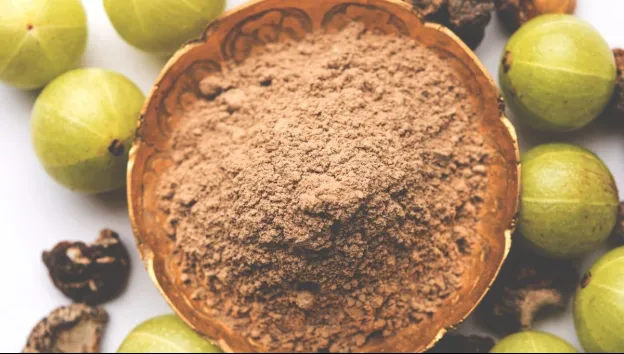
Amla, also known as Indian gooseberry, has a long-standing place in Ayurveda and Indian traditions, where the fruit has been valued for its nutritional qualities and versatility. Organic amla powder for hair has become part of a wider return to ingredient-focused beauty and wellness routines. Today, the same familiar ingredient is appearing in modern powders and tablets that make it easier to incorporate into contemporary routines. Its appeal lies not simply in being a traditional ingredient, but in the way one botanical can fit into different aspects of everyday self-care.
Why Amla Continues to Hold People’s Attention
Some wellness ingredients become popular for a short period before disappearing from the conversation, while others remain relevant across generations. Amla belongs to the latter category because it has a long history of traditional use and can be incorporated in several different ways. It is familiar enough to feel approachable while still offering modern consumers an opportunity to explore an ingredient rooted in Ayurvedic traditions.
The growing interest in amla also reflects a broader shift toward understanding individual ingredients rather than simply buying finished products based on marketing claims. Consumers are reading labels, researching traditional uses, and looking for simpler routines that fit their lifestyles. This has created renewed interest in ingredients such as amla, particularly among people who want to combine traditional practices with the convenience of modern wellness formats.
Amla and the Return of Traditional Hair Rituals
Hair care has always been one of the areas where amla has maintained a strong traditional presence. From household preparations to herbal formulations, amla has been incorporated into various Indian hair-care rituals over generations. Its continued presence is partly connected to the desire for familiar botanical ingredients and partly to the appeal of returning to simpler personal-care practices.
Using organic amla powder for hair can become part of an ingredient-conscious routine for people interested in traditional hair care. The powder may be incorporated into different preparations depending on the product instructions and the user’s preferences. However, individual hair and scalp conditions can vary considerably, so traditional use should not automatically be interpreted as a guaranteed result for every person.
What Makes Powder Formats So Appealing?
Powders occupy an interesting place between traditional preparation and modern convenience. They retain the familiar form of an ingredient while allowing consumers to use it in ways that suit their own routines. A powder can be incorporated into a hair-care preparation or, when specifically intended for consumption, used according to the product’s directions.
This versatility is one reason amla powder uses can extend beyond a single routine. The same ingredient may appear in culinary practices, traditional wellness preparations, or personal-care rituals, depending on the formulation. The important distinction is that consumers should always follow the intended use and directions of the specific product rather than assuming that every amla powder can be used in the same way.
Beyond Hair: Amla as an Everyday Wellness Ingredient
The story of amla is not limited to beauty. The fruit is naturally associated with vitamin C and other plant compounds, and it has traditionally been valued as part of broader wellness practices. Modern consumers are increasingly interested in ingredients that can fit into everyday routines rather than being reserved for occasional use.
This is where the idea of amla supplement benefits enters the conversation. Amla-based supplements are often positioned around nutritional and antioxidant support, although the exact benefits and suitability can depend on the formulation and the individual. A responsible approach is to understand what a particular product contains, follow its recommended serving, and avoid treating supplements as substitutes for a balanced diet or professional healthcare.
Tablets Bring Traditional Ingredients Into Busy Routines
Not everyone has the time or interest to prepare powders, fresh ingredients, or traditional recipes every day. Modern supplement formats address this practical challenge by making familiar ingredients easier to carry and incorporate into established routines. Tablets can be particularly convenient for people who travel frequently or prefer a consistent format that requires little preparation.
Pure Ayurbliss currently offers Amla Tablets in a 90-tablet format and describes them as vegan and non-GMO, with Amla extract as the principal ingredient. The product page recommends 1–2 tablets daily with warm water, preferably in the morning or as directed by a healthcare provider. This type of format illustrates how a traditional ingredient can be presented in a way that fits contemporary routines without requiring extensive preparation.
Understanding Amla Powder Uses More Carefully
The popularity of an ingredient can sometimes lead to overly broad claims about what it can do. Amla is frequently discussed across beauty, nutrition, and traditional wellness, but those categories should not be treated as interchangeable. A product designed for external hair application is not automatically suitable for consumption, just as a dietary supplement should not automatically be treated as a cosmetic treatment.
Understanding amla powder uses therefore begins with looking at the product itself. Its ingredients, processing, recommended application, serving instructions, and intended purpose all matter. Consumers can explore traditional applications while still approaching them thoughtfully and recognising that individual experiences can differ. This creates a more informed relationship with traditional wellness instead of relying solely on popular claims.
Why Ingredient Quality Deserves Attention
As demand for botanical wellness products grows, the quality and sourcing of ingredients become increasingly important. Consumers may encounter multiple products containing the same traditional ingredient, but their formulations, processing methods, purity standards, and manufacturing practices can differ. Looking beyond the front of the package can therefore provide a better understanding of what is actually being purchased.
For consumers considering organic amla tablets factors such as ingredient sourcing, certification where applicable, packaging, storage instructions, and the absence or presence of additional ingredients can all be relevant. Pure Ayurbliss states that its products are USDA Certified Organic and that its ingredients are grown without synthetic pesticides or GMOs, according to its product and collection pages.
A More Flexible Approach to Traditional Wellness
Modern wellness does not necessarily require choosing between ancient traditions and contemporary products. Many consumers are finding ways to incorporate selected traditional ingredients into routines that already include modern nutrition, skincare, fitness, and personal care. Amla fits naturally into this approach because it is available in several forms and has a long history of traditional use.
For someone interested in hair care, a powder may be more appealing as part of a traditional preparation. Another person may prefer a tablet because it requires less preparation and is easier to maintain while travelling. These different preferences demonstrate why modern wellness is becoming increasingly personalised. Rather than following one universal routine, people can select formats that fit their lifestyle while paying attention to how products are intended to be used.
Looking at Amla Through More Than One Lens
One of the most interesting aspects of amla is that it connects several areas of wellness without being limited to just one. It can be discussed as a traditional food ingredient, a botanical used in personal-care rituals, and an ingredient in modern supplements. That versatility helps explain why it has remained relevant while consumer expectations around wellness have changed.
The growing conversation around amla supplement benefits also shows how traditional ingredients are being reconsidered through contemporary wellness habits. A supplement can offer convenience, but it should still be viewed as one part of a broader lifestyle that includes balanced nutrition, appropriate physical activity, sleep, and professional healthcare when needed. This balanced perspective allows traditional ingredients to be explored without turning them into unrealistic promises.
Bringing a Familiar Ingredient Into Modern Life
Amla’s continued relevance comes from its ability to bridge tradition and modern convenience. Organic amla powder for hair connects with established beauty rituals, while tablets offer a simpler format for people interested in incorporating amla into their everyday wellness routines. Understanding amla powder uses and the potential role of amla supplement benefits allows consumers to look beyond trends and make more informed decisions about how the ingredient fits into their individual routines.
Pure Ayurbliss brings this traditional ingredient into contemporary wellness through its Amla Powder and Amla Tablets, combining familiar Ayurvedic ingredients with convenient product formats. Its range gives consumers different ways to explore amla according to their preferred routine and intended use. For anyone rediscovering traditional ingredients through a modern wellness lens, amla offers a reminder that some of the most familiar ingredients can continue to find relevance in changing lifestyles.