Singapore’s new-launch residential market is one of the most competitive in the region. With multiple projects launching each year across different districts, buyers are presented with a wide range of options that often appear similar at first glance. Comparable pricing bands, overlapping amenities, and polished marketing materials make differentiation increasingly difficult. In this crowded environment, residential flexibility has emerged as a meaningful and lasting competitive advantage.
Modern buyers are more discerning than ever. They no longer evaluate homes purely based on show-flat appeal or short-term aesthetics. Instead, they consider how a property will perform years after purchase. As holding periods lengthen and lifestyles become more dynamic, flexibility has become a key factor influencing buyer confidence and long-term demand.
Flexibility as a Signal of Design Maturity
Flexible homes signal a higher level of design maturity. Rather than designing for a single buyer profile or lifestyle moment, adaptable layouts acknowledge that residents change over time. This forward-looking approach resonates strongly with buyers who plan to hold their properties longer.
Developments such as Vela Bay benefit from this perception. By emphasizing efficient layouts and adaptable living spaces, the project appeals to buyers who value long-term usability over novelty. Flexible design choices communicate that the home is built to evolve, not expire.
In a new-launch context, this foresight sets a project apart. Buyers increasingly recognize flexibility as an indicator of quality rather than compromise.
Buyer Confidence and Decision-Making
New-launch purchases often involve uncertainty. Buyers commit before completion, relying on plans and projections rather than lived experience. In this setting, flexibility provides reassurance.
Homes that can adapt reduce perceived risk. Buyers feel more confident knowing that the unit can support different life stages, work arrangements, or family needs. This confidence shortens decision cycles and strengthens commitment.
Flexible layouts also appeal to a broader buyer pool. A single unit can attract professionals, couples, and small families without being overly specialized. This versatility enhances both initial sales momentum and long-term marketability.
Estate-Level Flexibility and Competitive Positioning
While unit design is critical, competitive differentiation increasingly extends beyond individual homes to the surrounding environment. Estate-level planning plays a major role in shaping buyer perception and long-term desirability.
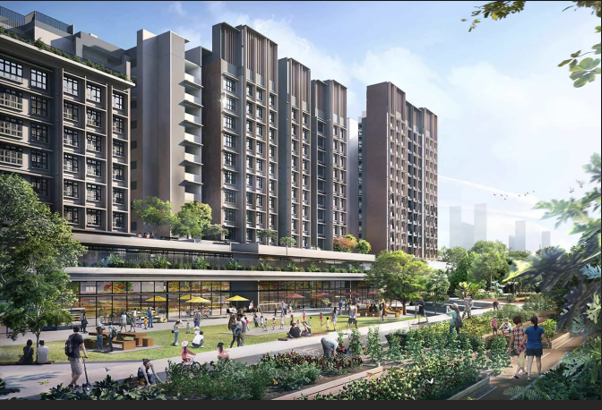
Tengah Garden Residences demonstrates how flexibility at the community level strengthens a project’s competitive position. Integrated amenities, walkable access to daily necessities, and green infrastructure allow residents to adapt routines without leaving the estate.
This type of planning enhances appeal in a new-launch setting. Buyers are not just purchasing a unit, but a lifestyle framework that can accommodate change. As a result, projects with flexible environments stand out more clearly in competitive launches.
Resale and Reputation Advantages
Competitive differentiation does not end at launch. Projects that emphasize flexibility tend to perform better in the resale market as well. Homes that continue to function effectively years later generate stronger owner satisfaction, which in turn supports reputation and demand.
Buyers in the resale market often look for proven livability rather than marketing promises. Flexible layouts remain attractive because they address real-world needs. This sustained appeal reinforces the original competitive advantage established at launch.
Developers who prioritize flexibility therefore benefit from a longer reputation tail. Projects age more gracefully, maintaining relevance even as newer launches enter the market.
Conclusion
In Singapore’s highly competitive new-launch property market, differentiation is no longer achieved through surface-level features alone. Residential flexibility has emerged as one of the most effective ways to stand out, offering buyers long-term usability, reduced risk, and greater confidence.
Projects that prioritize adaptability signal foresight, quality, and resilience. They appeal to a wider audience, sustain demand beyond launch, and perform more consistently over time.
As buyer expectations continue to rise, flexibility will remain a defining factor separating enduring developments from those that fade after their initial debut.