Indian cuisine offers a wide variety of delicious snacks that can be enjoyed between meals. From spicy chaat and crispy roasted makhana to steamed dhokla and vegetable-filled cheela, there are plenty of options for people who want tasty food without relying on packaged snacks. The best part is that many healthy Indian snacks can be prepared at home using everyday ingredients such as lentils, chickpeas, vegetables, whole grains, fruits, and spices.
Homemade snacks also give you better control over the amount of oil, salt, and sugar used during preparation. By choosing ingredients that provide protein, fibre, vitamins, and minerals, you can make your daily snacking routine more balanced and satisfying. Here are some easy and healthy Indian snacks you can prepare at home for breakfast, evening tea, or whenever hunger strikes.
1. Roasted Chana
Roasted chana is one of the simplest and most convenient healthy Indian snacks. Chickpeas provide plant-based protein and dietary fibre, making them a practical option for people looking for a filling snack.
To prepare roasted chana at home, use plain roasted chickpeas or roast soaked and thoroughly cooked chickpeas in an oven or air fryer until crisp. Add a small amount of salt, roasted cumin powder, black pepper, or chaat masala for flavour.
You can also combine roasted chana with a few peanuts for a crunchy snack. Keep the portion moderate, especially when adding nuts, because they increase the overall calorie content. Roasted chana is easy to store and carry to work, college, or while travelling.
2. Sprouts Chaat
Sprouts chaat is a refreshing option for anyone who enjoys tangy and spicy Indian flavours. It combines sprouted moong beans with fresh vegetables and simple seasonings to create a nutritious snack.
To make it, combine cooked or lightly steamed moong sprouts with chopped onion, tomato, cucumber, and fresh coriander. Add lemon juice, roasted cumin powder, and a little chaat masala. Mix everything well and serve fresh.
Moong sprouts contribute plant-based protein, while vegetables add fibre and variety to the dish. You can also include boiled kala chana or a small amount of paneer to make the snack more substantial.
For food safety, use clean utensils and thoroughly rinse the sprouts. Raw sprouts can carry harmful bacteria, so cooking or steaming them is a safer choice, particularly for children, pregnant women, older adults, and people with weakened immune systems.
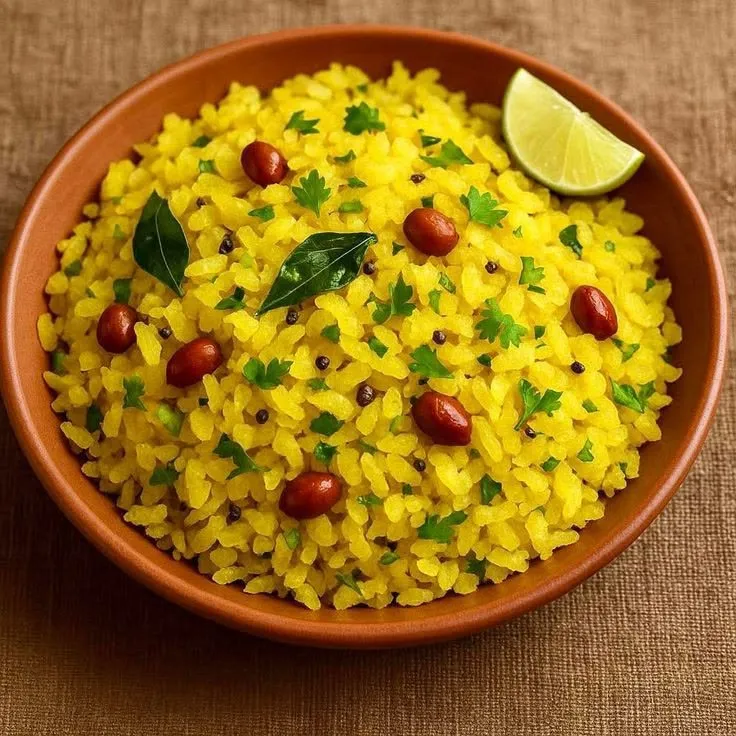
3. Vegetable Poha
Vegetable poha is a popular Indian snack that can also work as a light breakfast. It is made with flattened rice and can be prepared with vegetables, peanuts, and traditional spices.
Rinse the poha briefly and allow it to soften. Heat a little oil in a pan, add mustard seeds and curry leaves, and then include chopped onion, green peas, carrots, or other vegetables. Add turmeric and the softened poha, mix gently, and cook until heated through. Finish with lemon juice and fresh coriander.
Adding vegetables increases the variety of nutrients in the dish, while peanuts contribute protein and unsaturated fats. For a more balanced option, use a moderate amount of oil and include plenty of vegetables instead of relying mainly on potatoes.
4. Roasted Makhana
Makhana, also known as fox nuts or lotus seeds, is a popular Indian snack that becomes light and crunchy when roasted. It is a useful alternative to heavily seasoned packaged namkeen when prepared with limited oil and salt.
Heat a pan over low to medium heat and dry-roast makhana, stirring regularly until crisp. Add a small amount of ghee if desired, followed by black pepper, turmeric, or roasted cumin powder.
Allow the makhana to cool before storing it in an airtight container. You can prepare different flavours at home, such as pepper makhana, turmeric makhana, or lightly spiced makhana.
Although makhana can fit into a balanced diet, the nutritional value of your snack depends on the portion size and the amount of added fat and seasoning.
5. Besan Vegetable Cheela
Besan cheela is an easy savoury snack made with gram flour. It offers plant-based protein and can be combined with vegetables to make a more satisfying dish.
Take besan in a bowl and gradually add water to prepare a smooth batter. Mix in finely chopped onion, tomato, capsicum, coriander, turmeric, cumin, and a little salt. Spread the batter over a lightly greased, heated pan and cook both sides until the cheela is properly cooked.
Serve it with mint chutney or plain curd. You can also add grated carrots, spinach, or other vegetables to vary the taste.
Besan cheela is especially useful when you want a freshly prepared snack that requires only a few ingredients. Using a non-stick pan and a small amount of oil helps keep the preparation lighter.
6. Steamed Dhokla
Dhokla is a traditional Gujarati snack known for its soft texture and mildly tangy flavour. Because it is steamed rather than deep-fried, it can be a suitable option for people looking to reduce their intake of fried foods.
To prepare a basic version, mix besan with water, lemon juice or curd, and suitable seasonings to form a smooth batter. Add fruit salt according to the recipe just before steaming. Transfer the batter to a greased steaming tray and steam until a toothpick inserted in the centre comes out clean.
Once cooked, cut the dhokla into pieces. You can add a light tempering of mustard seeds and curry leaves, using only a little oil.
Serve it with fresh coriander chutney. Homemade dhokla allows you to control the salt and oil while enjoying a familiar Indian snack.
7. Boiled Corn Chaat
Boiled corn chaat is an easy snack that combines the natural sweetness of corn with tangy spices. Corn provides carbohydrates and dietary fibre, making it a convenient option when you want something quick and flavourful.
Boil sweet corn kernels until tender and drain them. Add chopped coriander, lemon juice, roasted cumin powder, black pepper, and a small amount of salt. For extra freshness, mix in finely chopped cucumber or tomato.
You can prepare this snack in just a few minutes if you already have boiled corn available. Avoid adding excessive butter, mayonnaise, or salt if your goal is to keep the recipe simple and balanced.
Corn chaat is suitable for an afternoon snack, a light evening bite, or a homemade alternative to buttery street-style corn.
8. Homemade Fruit Chaat
Fruit chaat is a naturally colourful snack that can help increase your daily fruit intake. Seasonal fruits provide different vitamins, minerals, water, and dietary fibre.
Wash the fruits thoroughly and cut them into bite-sized pieces. You can use apples, bananas, oranges, papaya, guava, or other fruits available in your area. Add a little lemon juice and a light sprinkle of roasted cumin powder if you enjoy a savoury flavour.
Fresh fruit is generally sweet enough on its own, so there is usually no need to add sugar or sweetened syrups. Prepare only as much as you plan to eat and refrigerate leftovers promptly.
Fruit chaat is a convenient choice for children and adults alike, although people with specific dietary requirements may need to adjust the fruit selection or portion size.
9. Steamed Sweet Potato Chaat
Sweet potato chaat offers a tasty way to enjoy this naturally sweet root vegetable. Sweet potatoes provide carbohydrates, fibre, and beta-carotene, which the body can convert into vitamin A.
Wash and steam or boil a sweet potato until tender. Allow it to cool slightly, peel if desired, and cut it into cubes. Add lemon juice, chopped coriander, roasted cumin powder, and a little chaat masala.
For extra texture, add chopped cucumber or onion. You can also combine the sweet potato with boiled chickpeas to increase the protein content of the snack.
Steaming or boiling requires little or no added oil, making this preparation a practical alternative to deep-fried potato snacks.
10. Homemade Vegetable Sandwich
A homemade vegetable sandwich is a convenient snack for busy mornings and evenings. Whole-wheat bread can provide more fibre than many refined-white-bread alternatives, while fresh vegetables add variety and texture.
Take two slices of whole-wheat bread and spread a thin layer of mint chutney or plain hung curd. Add sliced cucumber, tomato, onion, and capsicum. You can include paneer for additional protein. Close the sandwich and serve it fresh, or toast it lightly on a pan.
Choose fresh ingredients and avoid using excessive butter, mayonnaise, or processed sauces. If you want a more filling sandwich, add a suitable protein-rich ingredient such as paneer or cooked chickpeas.
This recipe is easy to customise according to your taste and works well as a homemade alternative to packaged sandwiches.
Tips for Making Healthy Indian Snacks at Home
Choosing nutritious ingredients is important, but preparation methods and portion sizes also matter. Follow these simple tips to make your snacks more balanced:
-
Prefer roasting, steaming, and boiling: These methods can reduce the need for added oil compared with deep-frying.
-
Include protein-rich foods: Add chickpeas, moong, besan, peanuts, curd, or paneer where appropriate.
-
Use more vegetables and fruits: They add colour, texture, fibre, and a range of nutrients.
-
Limit excess salt and sugar: Use lemon juice, fresh herbs, and spices to enhance flavour.
-
Watch portion sizes: Even nutritious foods can contribute substantial calories when eaten in large quantities.
-
Maintain food hygiene: Wash produce, use clean utensils, cook ingredients properly, and refrigerate perishable snacks promptly.
-
Plan ahead: Keep roasted chana ready, wash fruit in advance, or prepare ingredients for cheela and poha to make healthier choices easier.
Conclusion
Healthy Indian snacks do not have to be expensive, complicated, or bland. From roasted chana and makhana to vegetable cheela, sprouts chaat, fruit chaat, and steamed dhokla, many delicious options can be prepared using simple ingredients available in most Indian kitchens.
The key is to focus on variety, sensible portions, and cooking methods that do not require excessive oil, salt, or sugar. Including protein-rich ingredients, whole grains, fruits, and vegetables can make snacks more satisfying and help support an overall balanced diet.
Start with two or three recipes that suit your routine, experiment with different spices, and prepare them at home. With a little planning, healthy Indian snacks can become an enjoyable part of your everyday eating habits.
Read More: marathimeanings.com