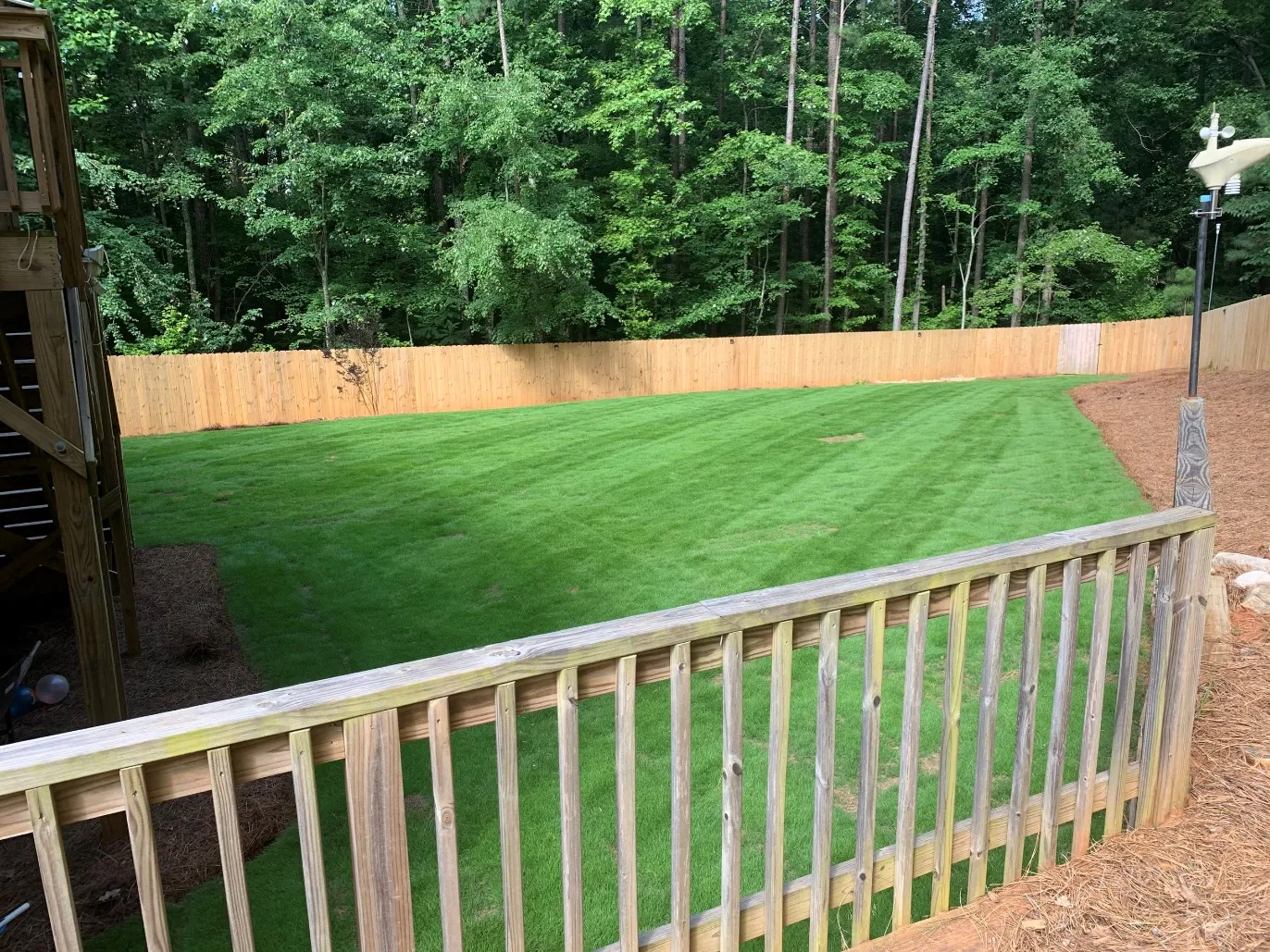
A family backyard should be more than an attractive view through the kitchen window. Children need space for games, adults may prefer a quiet seating area, and pets require room to move. Homeowners researching sod installation near me should therefore plan the overall layout before choosing turf. Sunlight, soil, pathways, and the location of furniture all influence whether a yard works well. The most useful design supports ordinary routines today while allowing the space to change as family needs develop.
Identify the Activities That Matter
Start by observing how your family uses the yard. Younger children may want open grass, while older children might prefer sports or gatherings. Adults may enjoy gardening, outdoor dining, or simply relaxing after work. Decide which activities happen regularly rather than designing around occasional events.
Notice where people naturally walk and which areas receive afternoon sun. A seating area that looks ideal on paper may become uncomfortable during Georgia’s warmest months. Mapping these patterns early helps position features where they will actually be used.
Create Zones Without Crowding the Yard
Separate active and quiet spaces using simple features such as pathways, planting beds, and furniture. A central lawn can accommodate games, while seating near the house makes meals and supervision convenient. Permanent walls or elaborate structures are not always necessary.
Keep pathways free of obstacles and avoid fragile plants beside busy play areas. Leave enough space for people to move around furniture and play equipment comfortably. A flexible layout usually serves a growing family better than filling every available corner.
Match Turf to Real Conditions
Grass varieties differ in their tolerance for sunlight, shade, and foot traffic. Bermuda typically favors sunny locations, while certain zoysia varieties may suit other conditions. No grass thrives everywhere, especially beneath dense tree cover or on persistently wet ground.
Consider soil quality, irrigation, and activity levels before ordering turf. A play lawn faces different stresses from a decorative front yard. The right selection should reflect actual growing conditions and the household’s willingness to maintain it.
Prepare the Soil Before Laying Sod
New turf needs close contact with suitable soil to establish roots. Compaction, construction debris, and uneven ground can interfere with growth. Preparation may include removing unwanted vegetation, correcting levels, and addressing areas that collect water after rainfall.
Professional landscaping near me services can coordinate lawn installation with paths, beds, and irrigation. Planning these features first avoids damaging fresh sod during later construction. The installer should also explain when the new lawn can tolerate regular use.
Put Safety in the Layout
An attractive backyard still needs safe movement between activities. Check for exposed roots, unexpected level changes, and sharp edges around paths or garden features. Play equipment should follow relevant safety guidance, including suitable protective surfacing where needed.
A useful planning checklist includes:
-
Clear routes between the home and play areas.
-
Secure storage for tools and garden chemicals.
-
Comfortable sightlines for supervising children.
-
Appropriate lighting near steps and entrances.
-
Suitable surfaces beneath climbing equipment.
Grass alone does not provide adequate impact protection for every play structure. Confirm specific requirements before installation.
Give New Grass Time to Establish
Fresh sod looks finished immediately, but its roots must grow into the underlying soil. Intensive games and repeated foot traffic can disturb it during establishment. Follow site-specific watering guidance rather than assuming every yard needs the same schedule.
Once rooted, maintain the lawn with appropriate mowing and irrigation. Watch for persistent wet patches or thinning sections that suggest drainage or shade problems. Addressing those conditions early may prevent the same damage from returning.
Leave Room for Future Changes
Family interests will evolve. A play lawn may eventually become a vegetable garden, while an unused corner could hold additional seating. Avoid installing permanent structures wherever future flexibility would be valuable.
Movable furniture, adaptable beds, and clear pathways can help the yard change without extensive reconstruction. Keeping a small amount of open space also makes later improvements easier and allows the landscape to remain useful across different life stages.
Conclusion
A family-friendly backyard balances recreation, comfort, safety, and manageable upkeep. Appropriate turf and careful soil preparation matter, but the overall layout should support everyday household routines. Consider shade, clear access, drainage, and future changes before beginning construction. For residents planning lawn and outdoor improvements around Kennesaw and Cobb County, russolandscapes.com provides information about sod installation and landscape services. Thoughtful planning can create a welcoming yard that stays useful as family needs change.