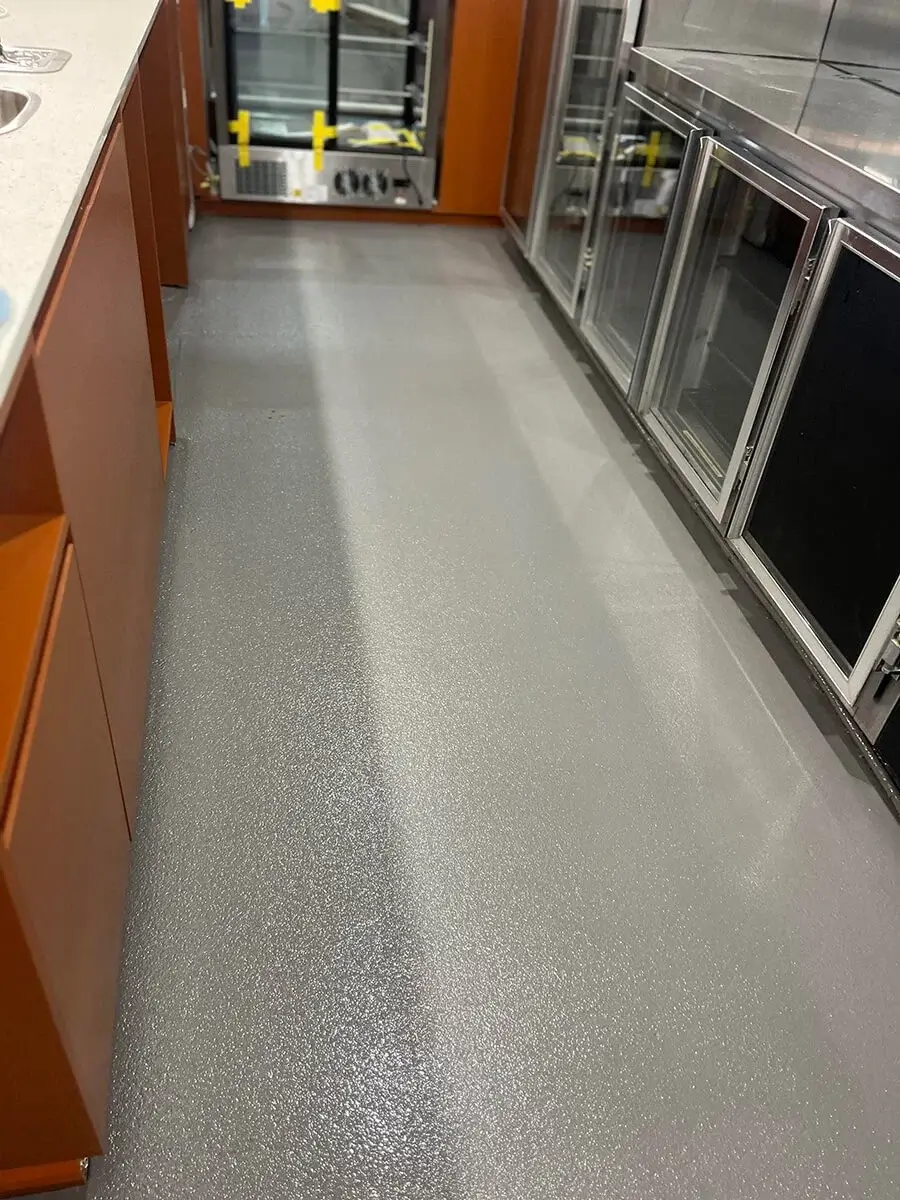
At seven in the morning, a commercial kitchen might be occupied by a baker preparing pastries. By lunchtime, the same benches could be used by a catering business, and later another operator may arrive to prepare packaged meals. Shared commercial kitchens make professional food preparation facilities accessible to smaller businesses, but the constant change of users creates responsibilities that require careful coordination.
For operators investigating food grade flooring central coast, the daily movement between different food businesses is an important consideration. Flooring forms part of the working environment, but clear handover procedures, cleaning arrangements, equipment management and food safety practices determine how successfully the shared space operates.
Every Booking Begins With a Proper Handover
A shared kitchen is different from a facility occupied by one business. Each operator may use different ingredients, utensils, appliances and preparation methods, meaning the next user cannot simply assume everything is ready.
A structured handover helps establish whether the previous session has been completed appropriately. Workbenches, equipment, storage areas and floors should be addressed according to the facility’s cleaning and sanitation procedures.
Managers can use a straightforward checklist to make expectations clear:
- Workstations: Confirm that preparation surfaces have been cleaned and sanitised as required.
- Equipment: Return shared tools and appliances to their designated locations.
- Floors: Remove debris and address spills using approved cleaning procedures.
- Storage: Keep ingredients and supplies in their allocated areas.
- Reporting: Record damage, faults or other concerns before the next booking.
These steps create accountability without requiring each incoming operator to reconstruct what happened during the previous session.
Different Food Businesses Bring Different Demands
A baker may spend much of the session working with flour and mixing equipment, while a caterer could use larger preparation tables, cooking appliances and food containers.
These activities influence how the kitchen is organised. Storage should be flexible enough to accommodate different users while maintaining appropriate separation and food safety controls.
The arrangement should also account for equipment movement. Portable tables, trolleys and containers need suitable locations so they do not obstruct access to sinks, exits or frequently used workstations.
Instead of designing the kitchen around one business model, managers can identify the activities most commonly performed and establish an arrangement that accommodates them safely.
Slip Prevention Requires More Than a Floor Finish
Water, oils, food residues and cleaning activities can create changing conditions underfoot. These hazards may arise at different times depending on the operator and the food being prepared.
Businesses researching anti slip flooring newcastle should consider the required slip resistance in relation to the actual kitchen environment. The selected system should be evaluated against relevant standards, cleaning procedures and operating conditions.
However, a slip-resistant finish does not eliminate the need for safe working practices. Spills should be managed promptly, suitable footwear remains important, and cleaning procedures must reflect the substances encountered.
Managers should also consider where wet activities occur most frequently. Washing stations, preparation areas and routes used for transporting ingredients may require particular attention during risk assessments.
Booking Schedules Must Allow for Cleaning
Shared kitchens often operate on tightly managed schedules because every available booking period has commercial value. However, reducing the time between users too aggressively can create practical difficulties.
Cleaning, equipment checks and waste removal all require sufficient time. If one business finishes late, the next operator may arrive before the space has been prepared appropriately.
A realistic booking system should account for these transitions rather than treating them as interruptions to productive work.
Facility managers can also establish procedures for reporting delays or incomplete cleaning. Clear communication helps prevent disagreements and allows issues to be addressed before another food business begins operating.
Maintenance Records Help Maintain Consistency
When several businesses use the same premises, small maintenance concerns can become difficult to trace. A damaged fitting, blocked drain or unusual floor condition may be noticed by one operator but remain unreported.
A central reporting system gives users a consistent way to communicate problems. Records can include the location, date, description and any action taken.
The flooring maintenance programme should also reflect the manufacturer’s recommendations and the actual level of activity within the kitchen.
Periodic professional assessment may be appropriate when surface damage, drainage concerns or other conditions require further investigation. Keeping maintenance information accessible helps managers coordinate necessary work without relying on informal conversations between users.
Conclusion
A successful shared commercial kitchen depends on consistent procedures as much as suitable facilities. Different food businesses bring changing equipment, ingredients, cleaning needs and working patterns, making organised handovers particularly important. Appropriate flooring, slip-risk controls, realistic booking schedules and clear maintenance responsibilities all contribute to a better-managed environment. By establishing expectations for every operator and documenting concerns as they arise, facility managers can support safe, practical use of the kitchen while allowing independent food businesses to share the same professional workspace.