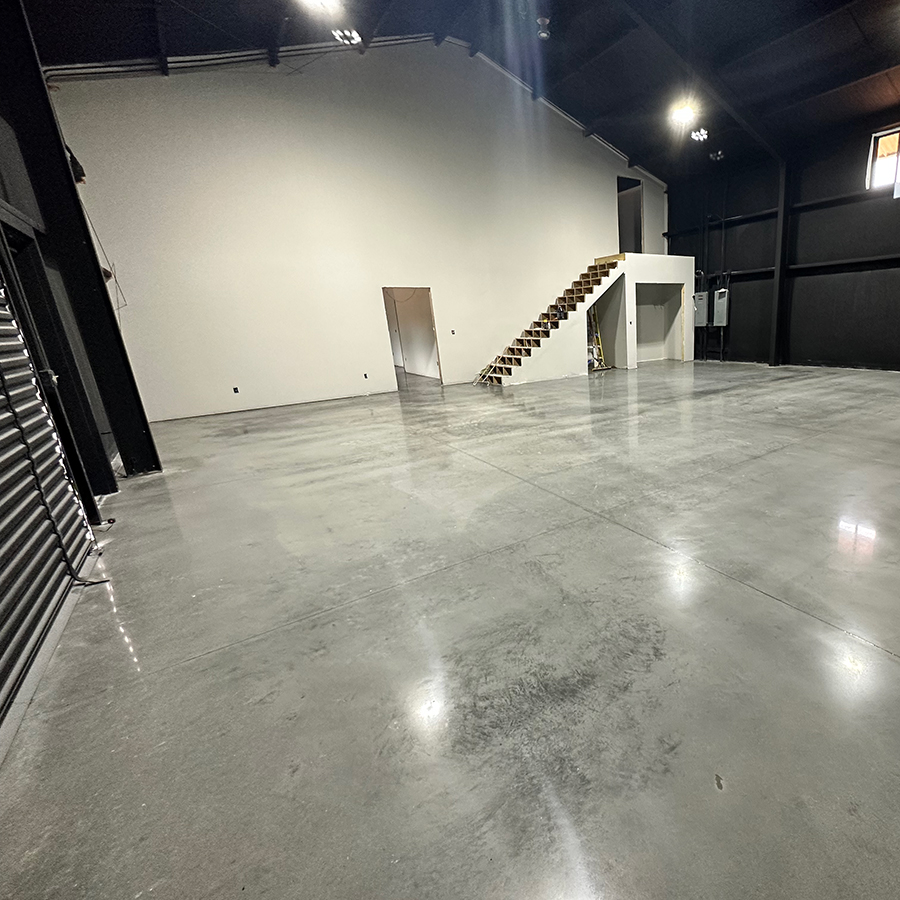
Concrete floors are no longer limited to unfinished garages or industrial spaces. With the right preparation and finishing process, an ordinary concrete slab can become a smooth, practical, and attractive surface. Understanding concrete polishing and how polished concrete works can help property owners decide whether this flooring approach suits their space, maintenance expectations, and everyday use.
Understanding the Polishing Process
Concrete polishing is a mechanical process that gradually refines the surface of an existing concrete slab. Specialized grinding equipment removes surface imperfections before progressively finer abrasives are used to create a smoother finish. The final appearance depends on the concrete itself, the level of refinement, and the finish selected.
The process usually begins with surface assessment and preparation. Contractors may need to address cracks, damaged areas, uneven sections, or old coatings before polishing starts. Proper preparation matters because the condition of the slab can affect both appearance and long-term performance.
Why Polished Concrete Works
One reason polished concrete attracts attention is its combination of appearance and practicality. The finished surface can provide a clean, modern look while remaining suitable for areas that experience regular foot traffic. It can also work across different property types when the existing concrete slab is appropriate for treatment.
Another useful characteristic is maintenance. A properly finished surface generally does not require the same type of routine care associated with some flooring materials. Regular dust removal and appropriate cleaning can help keep the surface looking presentable.
However, polished concrete is not identical in every building. The existing slab, moisture conditions, traffic levels, and desired appearance should all be considered before selecting a finish.
Where This Flooring Fits
Polished concrete can work particularly well in spaces where durability and a clean appearance are important. Residential interiors, retail areas, offices, showrooms, restaurants, and certain commercial spaces can all use this flooring approach.
The desired finish should depend on the space rather than appearance alone. A homeowner may prefer a subtle finish for an interior living area, while a commercial property may require a surface designed around heavier traffic and easier maintenance.
Before beginning a project, consider:
-
The existing concrete condition and age
-
Expected foot traffic and daily use
-
Desired level of shine and aggregate exposure
-
Moisture or environmental considerations
-
Cleaning and maintenance requirements
These factors can help narrow down the most suitable approach.
Choosing the Right Finish
Polished concrete can have different visual characteristics depending on how deeply the concrete is ground and how extensively the surface is refined. Some projects expose more of the aggregate within the slab, while others maintain a more consistent and understated appearance.
The right choice depends on the existing concrete and the look the property owner wants. It is useful to discuss samples or examples with a flooring professional before work begins. This can provide a better idea of how the finished surface may appear under the property’s actual lighting conditions.
It is also important to remember that existing concrete has its own character. Small variations, aggregate patterns, and previous repairs may remain visible after polishing. These features can become part of the finished appearance rather than being completely hidden.
Preparing for a Polishing Project
Good preparation can make the project easier and help avoid surprises. The concrete should be inspected before equipment is brought onto the surface. Existing adhesives, coatings, stains, cracks, and repairs may require additional work.
Property owners should also consider how the area will be used during installation. Furniture, equipment, or stored materials may need to be moved, particularly in commercial environments where access and scheduling can affect normal operations.
A qualified flooring professional can assess the slab and explain what preparation is likely to be required. Asking about the proposed process, finish, maintenance expectations, and limitations can make the decision clearer.
Conclusion
Concrete polishing can offer a practical flooring solution when the existing slab is suitable, and the desired finish matches the property’s needs. Polished concrete is worth considering for owners who want a durable-looking, low-maintenance surface with a contemporary appearance. Before choosing a contractor, focus on experience, preparation methods, finish options, and the condition of your existing concrete. For Atlanta property owners exploring flooring possibilities, atlantaflooring.io can be a useful starting point for learning more about available flooring services and planning the right approach for a specific space.