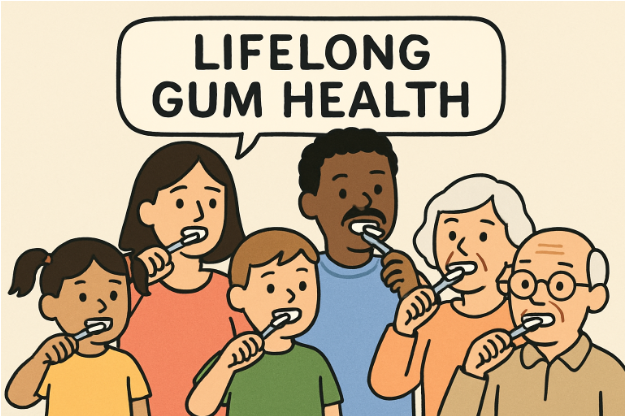
Key Takeaways:
- Gum disease affects individuals across all age groups, with prevalence increasing with age.
- Maintaining good oral hygiene and regular dental visits are crucial in preventing gum disease.
- Gum disease is linked to systemic health issues, including cardiovascular diseases and diabetes.
- Early detection and treatment can reverse gingivitis and prevent progression to periodontitis.
Understanding Gum Disease
Gum disease, also known as periodontal disease, encompasses various conditions that cause inflammation and infection of the gums and the supporting structures of the teeth. Its earliest and usually reversible stage, gingivitis, is marked by red, swollen gums that may bleed during daily brushing and flossing. Without timely intervention, gum disease can progress to periodontitis, which can lead to the destruction of the bone surrounding the teeth and ultimately result in tooth loss. For individuals in need of expert care, consulting a periodontist Woodbury, NY, can provide tailored guidance and adequate treatment specific to your gum health needs.
Gum disease is widespread among adults in the United States, but what many don’t realize is that it can develop in anyone—regardless of age. According to the Centers for Disease Control and Prevention, nearly half of adults aged 30 years and older show signs of gum disease. The progression from mild gingivitis to severe periodontitis is often gradual, making regular checkups essential to intercept problems early.
While genetics and medical history play a role, lifestyle factors such as oral hygiene, tobacco use, and diet are significant contributors to the development of gum disease. Family history may increase an individual’s risk, but consistent routine care can significantly mitigate the potential progression. Heightened awareness of risk factors empowers individuals to take charge of their oral health and safeguard their gums for years to come.
Many people remain unaware of the close connection between gum health and overall health. Gum disease doesn’t just threaten your smile; it can impact other systems of the body, especially when left untreated. Studies have linked severe gum disease to an increased risk of heart disease and diabetes, highlighting the far-reaching importance of oral health.
Gum Disease in Children and Adolescents
Children and teenagers may not seem like typical candidates for gum disease, but this age group is not immune to it. Basic dental habits developed during childhood serve as building blocks for lifelong oral health. In young people, gum disease most often arises due to inconsistent brushing and flossing, as well as diets high in sugar and processed foods. Hormonal changes during puberty may also make gums more susceptible to inflammation and bleeding. Early detection through regular dental visits and the formation of healthy daily habits are crucial for minimizing the risk and severity of gum disease in young people.
Adult Oral Health: Maintaining Healthy Gums
Daily routines shape gum health in adulthood. Adults should prioritize brushing teeth twice daily using fluoride toothpaste, flossing thoroughly at least once a day, and incorporating an antimicrobial mouthwash. These practices help limit plaque buildup—the primary cause of gum inflammation. Additionally, routine dental visits every six months are crucial for professional cleanings and examinations, improving the odds of catching early symptoms before lasting damage occurs. The CDC emphasizes that adopting these preventive strategies can significantly reduce the risk of gum disease and contribute to better long-term oral health.
Gum Health in Older Adults
Older adults are at a higher risk of developing gum disease due to the cumulative effects of aging, long-term plaque exposure, and the use of medications that may reduce saliva flow and lead to dry mouth. Reports from the National Institute of Dental and Craniofacial Research indicate that nearly 60% of individuals aged 65 and older experience some form of gum disease. This makes consistent dental care even more essential for seniors. Staying hydrated, discussing any medication side effects with a healthcare provider, and maintaining twice-daily oral hygiene practices are vital steps older adults can take to protect their oral health.
Systemic Health Implications
The mouth is a gateway to the body, and the health of your gums can have serious consequences for your overall well-being. Several scientific studies, including research published in the European Federation of Periodontology, have established a link between severe gum disease and serious health conditions such as heart disease, stroke, and diabetes. When the gums are inflamed, harmful bacteria can enter the bloodstream, leading to increased systemic inflammation and potentially accelerating the thickening of arterial walls or affecting insulin sensitivity. This underscores the crucial importance of managing gum health as part of a comprehensive approach to maintaining overall health.
Preventive Measures Across All Ages
Preventing gum disease requires a lifelong commitment to good oral hygiene. Across all age groups, the following measures form the foundation for healthy gums:
- Brush teeth at least twice a day with fluoride toothpaste.
- Floss daily to remove plaque and debris between the teeth and along the gumline.
- Visit the dentist regularly for professional cleanings and checkups.
- Adopt a balanced diet low in sugar and rich in nutrients that support gum health, such as vitamin C and calcium.
- Avoid tobacco products in all forms to reduce the risk of developing gum disease and oral cancer.
Recognizing Early Signs and Seeking Treatment
Spotting gum disease early offers the best chance for reversal and complete recovery. Key warning signs include:
- Red, swollen, or tender gums
- Bleeding when brushing or flossing
- Persistent bad breath or a bad taste in the mouth
- Gums that pull away from the teeth, exposing more of the tooth or its root
- Loose or shifting teeth
If one or more of these signs are present, it is essential to seek the advice of a dental professional promptly. Treatment at the earliest stages—often involving a deep cleaning and improved home care—can prevent the progression to more severe forms of gum disease that may require surgery or result in tooth loss.
Conclusion
Gum disease is a widespread but largely preventable condition that affects people of all ages and can have serious health repercussions if left untreated. By understanding risk factors, establishing good oral hygiene habits early in life, and seeking professional care at the first sign of trouble, individuals can protect their gums, preserve their smiles, and support their overall well-being throughout their lives.