Key Takeaways:
- Shock-absorbing casters are critical for protecting sensitive and high-value equipment from damage caused by vibration and impact.
- They combine strength and flexibility through advanced materials like elastomers, springs, or phenolic compounds.
- These casters enhance operational efficiency across various industries by reducing wear, noise, and maintenance costs.
- Choosing the right caster type ensures longer equipment life, better mobility, and improved safety in demanding environments.
Introduction to Shock-Absorbing Casters
Shock-absorbing casters have become essential components in safeguarding equipment across diverse industries. Unlike traditional rigid casters, these wheels are engineered to absorb shocks and dampen vibrations during transportation or relocation, preserving the longevity and performance of sensitive machinery. Minimizing jolts caused by rough surfaces or sudden impacts serves as a first line of defense for delicate and high-value assets.
These advanced casters integrate specialized mechanisms, such as coiled springs or proprietary elastomers, offering a cushioned transport experience even across challenging terrains. They help prevent surface damage and reduce the frequency of costly repairs or replacements. For applications that demand durable yet resilient support, phenolic caster wheels present a particularly reliable option due to their robust build and unique shock-absorbing features. Their ability to combine strength, stability, and smooth mobility makes them an ideal choice for environments where precision and protection are paramount.
Types of Shock-Absorbing Casters
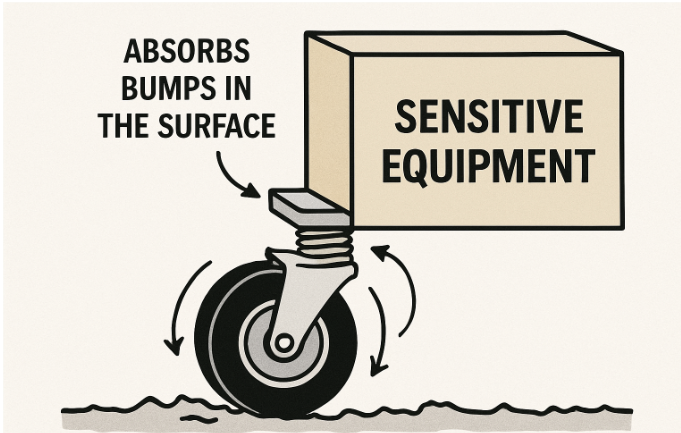
- Spring-Loaded Casters: Equipped with coiled springs, these casters compress on impact, making them ideal for traversing uneven floors or outdoor environments.
- Rubber and Polyurethane Casters: Rubber and polyurethane’s natural elastic properties lend superb damping abilities, making them well-suited for carts, hospital beds, and light machinery.
- Air Casters: By floating on a bed of pressurized air, these wheels create a near-frictionless and shock-free environment, especially effective for heavy and sensitive loads.
- Hydraulic Casters: These casters utilize hydraulic chambers filled with fluid, which provides superior vibration dampening and high load capacity—perfect for industrial and construction settings.
Benefits of Using Shock-Absorbing Casters
- Equipment Protection: Critical and delicate components remain secure, as vibrations and sudden shocks that might lead to breakdowns or calibration loss are minimized.
- Improved Stability: These casters improve overall motion stability, reducing sway and the chance of toppling, which is essential when handling tall or heavy setups.
- Increased Productivity: By mitigating harsh impacts, these casters foster greater operator comfort and ease of equipment mobility, resulting in more efficient workflows.
- Reduced Wear and Tear: This reduces the stress placed on equipment and flooring, extending service intervals and reducing lifecycle maintenance costs.
- Noise Reduction: These casters offer quieter operation, making them valuable in hospitals, research labs, and workplaces that minimize disruptive noise. Introducing silencers and noise-dampening compounds in modern casters has revolutionized work site environments, as shown by significant reductions in overall noise levels.
Applications in Various Industries
The adaptability of shock-absorbing casters allows their deployment across multiple sectors, providing tailored solutions for equipment mobility and protection.
- Aerospace: Sensitive instruments and components are shielded from vibration during transfer, which is crucial for maintaining calibration and precision.
- Automotive: Heavy assemblies and parts are easier to move safely, reducing the risk of damage during production and assembly processes.
- Healthcare: Operators rely on quiet, smooth-rolling casters for patient care equipment and laboratory instruments, where safety and noise reduction are priorities.
- Construction: Casters designed for impact absorption help transport tools and materials across rugged, uneven grounds, preventing premature equipment aging.
Factors to Consider When Selecting Shock-Absorbing Casters
Choosing the right shock-absorbing caster depends on a variety of critical considerations:
- Load Capacity: To ensure optimal performance and longevity, select a caster rated for the total weight it must support.
- Environmental Conditions: Evaluate exposure to temperature extremes, humidity, chemical contaminants, and floor types, as these factors influence material selection and functionality.
- Material Compatibility: Use caster materials that won’t scuff, dent, or chemically react with the flooring surface or their working environment.
- Maintenance Requirements: Some designs, such as those with sealed bearings or self-lubricating components, require less upkeep, while others may be better suited for users with dedicated maintenance teams.
Innovations in Shock-Absorbing Caster Technology
Ongoing caster design and materials advancements have transformed how industries approach equipment protection. New silent-running technologies and enhanced damping mechanisms address operational safety and acoustic comfort. As reported by Caster Concepts, the latest breakthroughs in engineering alloys and polymers provide unprecedented durability and performance, helping industries tackle tougher surface conditions and heavier loads while maintaining protection standards.
For example, recent innovations have enabled casters to cut ambient noise in workplace environments by substantial margins—some solutions boast up to 64% noise reduction in perceived volume. This progress not only enhances safety but also fosters productivity and staff well-being.
Final Thoughts
Integrating shock-absorbing casters into your equipment solutions is a matter of protecting your investments and a decisive step towards better safety, greater efficiency, and longer service life for all working assets. By being mindful of your equipment requirements and operational environment and staying abreast of the latest in caster technology, you can make well-informed decisions that elevate your entire facility’s performance and resilience.